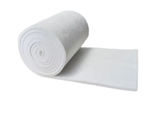
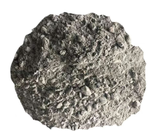
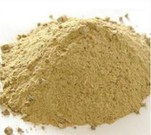
The refractory castable is a granular and powdery material made of refractory material. It is composed of a certain amount of binder and moisture. It has high fluidity and is suitable for casting.
Refractory castables are the main types of unshaped refractories. Depending on the binder used, the curing and forming mechanism can be divided into three types: hydraulic, gas-hard and hard.
1 Hydraulic refractory castable: The castable with cement as the binder needs water to participate in the chemical reaction during the hardening process to form the cement hardening strength, which are all hydraulic refractory castables. Cement is the main factor determining the strength of the castable (especially the normal temperature strength), but its refractoriness is relatively low, so the amount of cement should be reduced as much as possible after ensuring the necessary room temperature strength. If it is necessary for compactness and construction workability, the refractory powder can be appropriately added. Reducing the amount of cement is also one of the measures to reduce the cost. The aluminate cement should be strictly prevented from being mixed with Portland cement, lime, etc. during construction. Because the two different chemical components mix to produce aqueous tricalcium aluminate, the strength is greatly reduced.
2 gas-hard refractory castable: it means that the cement absorbs CO2 in the air during curing and gradually solidifies and hardens. Most of the refractory castables
Commonly used is water glass refractory concrete. In addition to its high temperature resistance, water glass refractory castables are also resistant to acids and abrasions and are therefore often used as linings for chemical equipment.
The process of hardening the water glass castable under natural conditions is very slow, and it is necessary to add a coagulant sodium fluorosilicate, high alumina cement, etc. during construction.
4 Fire-resistant refractory castable: castable with phosphate and phosphate as binder, need to be heated and baked to obtain strength and high
Temperature performance, it is called fire refractory castable.
Refractory plastic is made up of powdered and powdery materials combined with plasticizer and other bonding agents and plastics. A small amount of water is added and thoroughly mixed. The sludge is in the form of a paste and maintains high plasticity for a long time. Unshaped refractory material. Granular and powdered materials are the main components of plastics, generally accounting for 70% to 85% of the total. It can be composed of refractory raw materials of various materials, and the plastics are often classified and named according to the materials. Since such amorphous refractories are mainly used in various heating furnaces which are not in direct contact with the melt, clay clinker and high alumina clinker are generally used. Lightweight plastics can be used as light-weight materials.
Plasticity clay is the main component of plastics, although it accounts for 10% to 25% of the total amount of plastics, but it has a great influence on the plasticity of plastics, the bonding strength, volume stability and fire resistance of plastics and hardened bodies. Big. In a certain sense, the nature and amount of clay can be considered to control the properties of the plastic.
Generally, plastics should have high plasticity, and after long-term storage, they still have certain plasticity, which is called plastic work.
Work. Plasticity is related to the clay properties and the amount of clay used. In addition, it depends mainly on the amount of water, which increases with the amount of water. However, too much water will have an adverse effect. Generally 5% to 10% is suitable. To make the plasticity of the plastic plastic during its storage period
Significantly reduced, hydraulic binders cannot be used. Plastics can be constructed without special techniques. When used to make a lining, it will be
The plastic is taken out from the sealed container and laid between the hanging bricks or the hooks. It can be tamped with a wooden hammer or an air hammer (each layer is 50mm to 70mm thick).
Surface processing can be performed before it has been hardened. In order to facilitate the discharge of water therein, the vent holes are punched at regular intervals. Finally according to the design
Set expansion and contraction. If the whole furnace cover is used, it can be applied on the bottom mold first, and then hoisted after drying.
The plastic bottom can vary depending on the quality of the granulated and powdery base used. For example, ordinary clay can be used for 1300 ° C ~ 1400 ° C, high quality 1400 ° C ~ 1500 ° C; high aluminum 1600 ° C ~ 1700 ° C or even higher; chrome 1500 ° C ~ 1600 ° C.