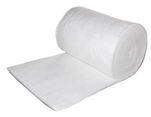
The refractory bricks produced by castable manufacturers must control the masonry kiln well when they are used. Secondly, they must be reasonable and conform to the specifications when they are used. Finally, they must protect the kiln regularly. If it is a quality problem, the refractory manufacturers advocate replacing it as soon as possible.
maintain the furnace regularly
1.Planning
1)according to the different working conditions of different parts of industrial furnace, it is a successful experience to select different refractories, that is, to plan a mixed lining, to extend the service life of refractories.
2)reasonably plan the structural dimension of furnace body. For example, the top of open hearth furnace is changed from vault to ceiling, and the service life is extended due to the elimination of extrusion force between refractory bricks. For example, the top of open hearth furnace is increased by 100 mm in a steel plant, and the service life is improved because the corrosion of slag splashing on the top is reduced.
2.Masonry
1)the dimension and appearance of the firebrick used should meet the requirements, that is, there should be no missing corner, no missing edge (the missing corner and the missing edge are easy to corrode), no twists and turns, and the dimension service should be small (that is, the error percentage of the firebrick practical scale compared with the standard scale should be small).
2) the brick gap is the weak link, so the width of the brick gap should be as narrow as possible, and the width of the smelting furnace should be less than 1 mm. The joint of firebrick should be staggered.
3)appropriate expansion joint shall be reserved to avoid the furnace body being broken due to thermal expansion and the refractory brick being invalid.Tamp to prevent liquid metal and slag from entering and damaging the furnace lining.
3.Oven drying
this is an important link that affects the furnace life, so it is related to the life of refractories. If the temperature rises too fast in the drying stage, it will be because the water transpiration in the firebrick seam and firebrick is too strong and the expansion force is too large; In addition, there are some reasons such as excessive volume change caused by SiO2 crystal transformation, which leads to furnace cracking, even spalling or deformation.
the castable manufacturer thinks that a reasonable temperature rise curve should be established according to the type of refractory, masonry method and climatic conditions. In the stage of low temperature (below 150 ℃), the temperature should be raised very slowly (generally 5-10 ℃ / h) to let the water transpiration gradually.