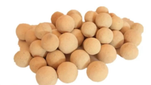
1. Acidic refractory materials are mainly composed of silicon oxide, and commonly used ones include silica bricks and clay bricks. Silica bricks are siliceous products containing over 94% silicon oxide, and are made from raw materials such as silica and waste silica bricks. They have strong resistance to acid slag erosion, high load softening temperature, and do not shrink or even slightly expand after repeated calcination; But it is susceptible to erosion by alkaline slag and has poor thermal shock resistance. Silicon bricks are mainly used in thermal equipment such as coke ovens, glass melting furnaces, and acid steelmaking furnaces. Clay bricks are mainly made of refractory clay and contain 30% to 46% alumina. They are weakly acidic refractory materials with good thermal vibration resistance and corrosion resistance to acidic slag, and are widely used.
2. Neutral refractory materials are mainly composed of alumina, chromium oxide, or carbon. Corundum products containing over 95% alumina are a widely used high-quality refractory material. Chromium bricks mainly composed of chromium oxide have good corrosion resistance to steel slag, but poor thermal shock resistance and lower deformation temperature under high temperature load. Carbonaceous refractory materials include carbon bricks, graphite products, and silicon carbide products. They have a low coefficient of thermal expansion, high thermal conductivity, good thermal shock resistance, high high-temperature strength, and are resistant to acid, alkali, and salt erosion, especially weak acid and alkali. They are not wetted by metals and slag and are lightweight. Widely used as high-temperature furnace lining material, and also as high-pressure vessel lining for petroleum and chemical industries.
3. Alkaline refractory materials are mainly composed of magnesium oxide and calcium oxide, with magnesium bricks being commonly used. Magnesia bricks containing 80% to 85% or more magnesium oxide have good resistance to alkaline slag and iron slag, and have higher refractoriness than clay bricks and silica bricks. Mainly used in open hearth furnaces, oxygen blown converters, electric furnaces, non-ferrous metal smelting equipment, and some high-temperature equipment.
Refractory materials used in special occasions include high-temperature oxide materials such as alumina, lanthanum oxide, beryllium oxide, calcium oxide, zirconia, and refractory compound materials such as carbides, nitrides, borides, silicides, and sulfides; High temperature composite materials mainly include metal ceramics, high-temperature inorganic coatings, and fiber-reinforced ceramics.
Commonly used refractory materials include AZS bricks, corundum bricks, directly bonded magnesia chrome bricks, silicon carbide bricks, silicon nitride bonded silicon carbide bricks, and non oxide refractory materials such as nitrides, silicides, sulfides, borides, carbides, etc; Refractory materials such as calcium oxide, chromium oxide, aluminum oxide, magnesium oxide, beryllium oxide, etc.
Commonly used insulation refractory materials include diatomaceous earth products, asbestos products, insulation boards, etc.
The commonly used amorphous refractory materials include furnace repair materials, ramming materials, castables, plasticizers, refractory mud, refractory spraying materials, refractory projection materials, refractory coatings, lightweight refractory castables, cannon mud, etc.
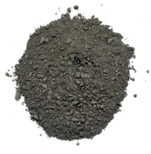
Bulk refractory material (amorphous refractory material): Amorphous refractory material is a refractory material composed of reasonably graded granular and powdery materials and binders that are directly used without forming or firing. Usually, granular materials that make up this material are called aggregates, powdered materials are called admixtures, and binders are called binders. This type of material has no fixed shape and can be made into slurry, paste, and loose forms, hence it is also commonly known as dispersed refractory materials. This type of refractory material can be used to form seamless integrated structures, so it is also called integral refractory material.
The basic composition of amorphous refractory materials is granular and powdery refractory materials. According to its usage requirements, it can be made of various materials. In order to integrate these refractory materials into a whole, except for a few special cases, appropriate varieties and quantities of binders are generally added. To improve its plasticity or reduce water consumption, a small amount of appropriate plasticizing and water reducing agent can be added. To meet other special requirements, a small amount of appropriate other additives can also be added separately.

Contact me:
Email:wp@cnjingganrefractory.com/sdwenping@163.com
TEL: 86-0533-4188518 / FAX: 86-0533-4188518
Rose:+86-13275332819(wechat/whatsapp number)