What are the performance requirements of the refractory for the furnace lining? According to the introduction, the furnace lining refers to the lining of the smelting chamber of the electric furnace, including the furnace cover, furnace wall and furnace bottom. Its work directly affects the quality of steel and other economic and technical indicators. In recent years, due to the strengthening and innovation of EAF steelmaking, it is also required to improve the lining material and masonry
There are two kinds of refractories used in the lining of electric furnace: basic and acid. At present, most electric furnaces use basic lining, while acid lining electric furnaces are only used to produce steel castings or gray cast iron.
Performance requirements of refractory for electric furnace lining:
1. It shall have enough fire resistance and load softening point. Because under the action of arc, the inner surface temperature of different parts of furnace lining can reach 1500-1800 ℃.
2. It should have strong slag resistance. Because the slag and smoke infiltrate into the lining through the pores at high temperature, the refractories are melted, layered and peeled off.
3. It should have good thermal shock resistance. Because in the process of steelmaking, opening the furnace door, lifting the furnace cover and so on will cause the temperature of the refractory lining to change abruptly, which may lead to peeling and cracking and premature damage of the furnace lining.
4. It should have enough strength, because the lining is impacted and vibrated during charging, and washed by metal, slag and air flow during boiling.
5. The thermal conductivity shall be small and the conductivity shall be low.
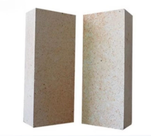
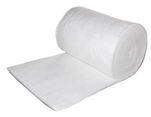
Refractory materials commonly used in electric furnace include magnesia brick, dolomite brick, high alumina brick, siliceous refractory brick and magnesia knotting material, etc. Due to the different working environment of each part of the electric furnace, the refractories used are different.