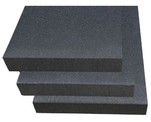
(1) The matrix of magnesia carbon brick is mainly composed of graphite and magnesia powder. The graphite and magnesia particles, as well as the magnesia particles, are surrounded by a strong carbon carbon bonding network, which is not easy to slip. There is no eutectic relationship between C and MgO, and no liquid phase is produced. Only a small amount of liquid phase is generated by the impurities introduced by the graphite and magnesia raw materials. Therefore, during use, when the highly permeable * * * in the slag encounters carbon, it will be reduced to metallic iron. Due to the reducing effect, the melting point and viscosity of the slag increase, and the permeability is greatly reduced.
(2) The non wettability of slag and molten iron with graphite. Because the contact angle between slag and molten iron and graphite is above 90 °, the magnesium carbon brick made has excellent resistance to slag erosion.
(3) The protective effect of forming a dense square magnesium layer inside the magnesia carbon brick material; At temperatures above 400 ℃, MgO in magnesia reacts with carbon to generate Mg vapor. The Mg vapor flows out through the pores and reacts with FeO in the slag at the interface in contact with the slag, producing magnesium oxide again and forming a dense layer of magnesia, thereby preventing the infiltration of the slag.
(4) The influence of CO gas pressure. The infiltrated slag reacts with the carbon in the magnesia carbon brick to generate CO gas, and the pressure in the pore channel can reach over 0.2 MPa (2 atm), which can prevent or delay the infiltration of slag into the pores.
Contact me:Email:wp@cnjingganrefractory.com/sdwenping@163.com
TEL: 86-0533-4188518 / FAX: 86-0533-4188518
Rose:+86-13275332819(wechat/whatsapp number)