First, refractory mud
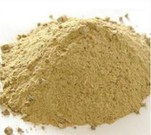
Refractory mud can be divided into clay, high alumina, silicon and magnesia refractory mud. It consists of refractory powder, binder and admixture. Almost any refractory material can be made into the powder used to make refractory mud. The general refractory mud, which is made by using refractory clinker powder and an appropriate amount of plastic clay as a binder and plasticizer, has a low strength at normal temperature, and it has a high strength when it forms a ceramic bond at high temperature. Chemically bonded refractory muds that use hydraulic, gas, or thermosetting bonding materials as bonding agents will undergo a certain chemical reaction and harden before the temperature below which the ceramic bonding is formed. The particle size of refractory mud varies according to the application requirements, and its limit particle size is generally less than 1mm, and some are less than 0.5mm or finer.
The selection of refractory mud materials should be considered together with the materials of the masonry refractory products. In addition to refractory mud as a jointing material, it can also be modified or sprayed as a maintenance coating for the lining.
2, refractory castable
Refractory castable is an unshaped refractory that is widely produced and used now. Primarily used for the construction of overall structures such as various heating furnace linings. Certain high-quality varieties can also be used in smelting furnaces. Such as aluminate cement refractory castable can be widely used in various heating furnaces and other slag-free, acid-base corrosion-free thermal equipment. In places subject to corrosion by molten iron, molten steel, and slag and working at higher temperatures, such as tapping troughs, ladles, blast furnace bodies, tapping ditch, etc., the combination of low calcium and pure high alumina cement can be used Refractory castables made of high-quality alumina and excellent sintered high-quality granular and powdery materials. As another example, phosphate refractory castables can be widely used in heating furnaces and soaking furnaces for heating metals, as well as in coke ovens and cement kiln parts directly in contact with materials. In some parts of metallurgical furnaces and other containers that are in direct contact with slag and molten metal, repairing with high-quality phosphate refractory castables also has excellent results.
From the above, we can see that although the three products are all amorphous refractories, their uses are very different, and each product is divided into different models and types, so you can consult a professional technician when purchasing , Choose the right product, so as not to delay the construction period and cause unnecessary losses.