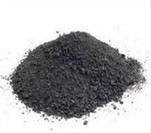
Alumina Grinding Ball is a spherical grinding medium made from raw materials such as bauxite, roller powder, industrial alumina powder, and high-temperature calcined alpha alumina powder. It is mainly used for material crushing and processing in industries such as metallurgy, building materials, ceramics, etc., through batching, grinding, powder making (pulping/mud making), forming, drying, and high-temperature calcination. According to the alumina content, it is divided into medium aluminum balls (60% -65%), medium high aluminum balls (75% -80%), and high aluminum balls (over 90%), among which 92 ceramics are widely used due to their performance advantages. Aluminum oxide grinding balls have wear-resistant and corrosion-resistant properties, suitable for industries such as cement and electronic materials; Zirconia grinding balls were prepared by co precipitation method, with a density of 6.1g/cm ³ and a hardness of HRA ≥ 90, suitable for fine powder processing.
During the production process, isostatic pressing and low-temperature rapid firing techniques are used to improve product density, and sintering temperature is reduced by adding sintering aids such as Y-PSZ. With the reduction of natural stone resources, the annual demand for alumina ceramic balls has reached 50000 tons, which plays a significant role in improving grinding efficiency and material purity. The nano alumina grinding ball project has achieved an annual production scale of 20000 tons. The upgraded product of zirconia grinding ball, silicon nitride grinding medium, is widely used in the field of metal ore beneficiation, which can reduce energy consumption by 40%
Alumina Grinding Ball are an important type of engineering ceramic and belong to high-tech products. Due to its suitable hardness, moderate density, wear resistance, corrosion resistance, and low price, as well as the problem of metal impurities introduced by metal balls, alumina ceramic balls are widely used in the grinding and processing of raw materials in industries such as white cement, minerals, ceramics, electronic materials, magnetic materials, coatings, and paints. They are a high-quality grinding medium. In the architectural ceramics industry, the wear efficiency of alumina ceramic balls is higher than that of natural flint and pebbles. With the reduction of high-quality natural stone resources and the high wear rate of ordinary ceramic balls, alumina ceramic balls will be increasingly used by ceramic manufacturers. According to different alumina contents, they can be divided into medium alumina balls, medium high alumina balls, and high alumina balls. Generally, we classify those with 60% -65% alumina content as medium alumina balls, those with 75% -80% alumina content as medium high alumina balls, and those with over 90% alumina content as high alumina balls.
Alumina Grinding Ball are further divided into 90 porcelain, 92 porcelain, 95 porcelain, and 99 porcelain. Due to its extremely high production cost, 99 porcelain is rarely mass-produced by large manufacturers, mainly handmade by some special ceramic factories. [1]
Medium aluminum balls and medium high aluminum balls are widely accepted by most ceramic factories due to their lower prices, mainly used for grinding ceramic blanks. High alumina balls are widely used in the precision and deep processing of thick and hard materials in different types of ceramics, glazes, glass, chemical and other factories due to their excellent characteristics such as high strength, high hardness, high wear resistance, high specific gravity, small size, high temperature resistance, corrosion resistance, and no pollution. Among them, high alumina balls with a content of 92 are the most commonly used.

Contact me:
Email:wp@cnjingganrefractory.com/sdwenping@163.com
TEL: 86-0533-4188518 / FAX: 86-0533-4188518
Rose:+86-13275332819(wechat/whatsapp number)