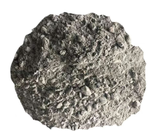
The difference between low porosity clay bricks and ordinary clay bricks lies in their manufacturing process and physical properties. The porosity of ordinary clay bricks is between 22% -26%, while low porosity clay brick products are less than 17%.
Low porosity clay bricks are usually manufactured using high-pressure manufacturing processes, which use high pressure to tightly compress the clay brick blanks together, thereby reducing the number and size of pores inside the brick body. The production process of low porosity clay bricks results in higher brick density, better insulation and moisture resistance.
Clay bricks belong to weakly acidic refractory products and are resistant to sudden cold and heat. Clay bricks refer to clay products made of aluminum silicate materials with an Al2O3 content of 30%~48%. Clay bricks are made from 50% soft clay and 50% hard clay clinker, with ingredients according to certain particle size requirements. After forming and drying, they are fired at high temperatures of 1300~1400 ℃.
The key to producing low porosity clay bricks is to choose high density and low water absorption pyroxene as the raw material, and to have a reasonable gradation. When firing clay bricks, increasing the firing temperature of low porosity clay bricks appropriately (1420 ℃) slightly increases the shrinkage of clay bricks, thereby slightly increasing the density of refractory bricks and reducing the low porosity
Due to the addition of additives, a large number of micro pores are formed inside the clay bricks during the firing process. Before the overall fracture of clay bricks, the internal micro pores have a preventing and reducing effect on the fracture of clay bricks. As a clay brick used in hot metal tanks under high-temperature thermal shock conditions, surface cracks do not cause fracture during use. The most serious issue is thermal spalling caused by internal thermal stress. When the porosity is appropriately reduced and a large number of micro pores are generated, under thermal shock, the length and number of internal cracks in the clay brick become shorter, and the degree of interlocking cracks forming a network is enhanced. Therefore, an increase in fracture energy is required when clay bricks break, which can effectively improve the thermal shock stability of clay bricks, improve the anti stripping performance of clay refractory bricks, and thus greatly increase the kiln life.
Contact me:Email:wp@cnjingganrefractory.com/sdwenping@163.com
TEL: 86-0533-4188518 / FAX: 86-0533-4188518
Rose:+86-13275332819(wechat/whatsapp number)