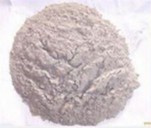
In the whole process of smelting, due to poor adjustment or discharge and excessive carburization, sometimes the carbon content in the steel does not meet the expected requirements. At this time, it is necessary to add carbon to the desolvent. The common carburizers are carburized cast iron, electric grade powder, petroleum coke powder, charcoal powder and coke powder. Petroleum coke with very little residue is used as carburizer for medium and medium carbon steel in steelmaking furnace. The regulation of carburizer for top blown converter steelmaking is that fixed carbon should be high, ash, volatile, sulfur, phosphorus, nitrogen and other residues content should be low, and dry, clean, particle size distribution should be moderate.
There are many kinds of raw materials for carburizers, and the production process is also different, including wood carbon, raw coal carbon, coke carbon, high-purity graphite, etc. High quality carburizers generally refer to the carburizers that have undergone graphitization. Under high temperature standard, the order of oxygen atoms is the external economic shape of high purity graphite, so it is called graphitization. Graphitization can reduce the content of residue in carburizer, improve the carbon content of carburizer and reduce the sulfur content. The application of carburizer in forging can greatly increase the amount of waste steel, reduce the amount of cast iron or no cast iron is needed.
Using graphite powder as carburizing agent and blowing amount of 40kg / T, it is estimated that the carbon content of molten iron can be increased from 2% to 3%. With the increase of carbon content in molten iron, the utilization rate of carbon decreases. The temperature of molten iron before carburization is 1600 ℃, and the average value after carburization is 1299 ℃. In general, N2 is used as the medium for graphite jet carburization, but under the industrial production standard, it is more convenient to use air compression, and the oxygen in the air compression ignites to cause Co, the heat of chemical change can compensate for part of the temperature drop, and the recovery atmosphere of CO is conducive to improving the actual effect of carburization