

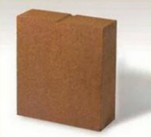
Graphite felt is a fiber material with a carbon content of over 99% made from carbon felt as raw material and treated at high temperatures of 2200-2500 ℃. It is mainly divided into three categories: asphalt based, polyacrylonitrile based, and adhesive based. This material was commercially produced in the late 1960s and has high temperature resistance (up to 3000 ℃ in a non oxidizing atmosphere), corrosion resistance, and processability. It is widely used as an insulation layer for single crystal silicon smelting furnaces and for filtering high-purity chemical reagents.
There are regional differences in global production processes: Japan mainly uses asphalt based materials, while Europe and America mostly use adhesive based materials, and China mainly uses polyacrylonitrile based materials for manufacturing. Polyacrylonitrile based products have become mainstream due to their high strength, oxidation resistance, and thermal insulation properties, while adhesive based products have better flexibility but lower strength. In the application of monocrystalline silicon furnaces, it is often combined with graphite hard composite felt to enhance its ability to resist airflow erosion, and integrated into components such as insulation cylinders and insulation boards to optimize thermal field stability. The patented technology further enhances its service life and energy-saving efficiency through layered structure design and anti-oxidation treatment.
Carbon felt is treated at a high temperature of over 2000 ℃ under vacuum or inert atmosphere to produce graphite felt, with a carbon content higher than that of carbon felt, reaching over 99%. In the late 1960s, there was already a supply of graphite felt products in the world. Graphite felt is divided into three types based on the selection of the original felt: asphalt based, polyacrylonitrile based graphite felt, and adhesive based graphite felt.
Among them, asphalt represented by Japan's Wu Yu Chemical is the mainstream in the insulation industry, while insulation felt in Europe and America is mainly made of adhesives, while in China, most of them are made of polyacrylonitrile based materials. The process involves cutting polyacrylonitrile based carbon felt or adhesive based carbon felt into the required size, rolling it into a cylindrical shape, and placing it in a container made of graphite material. The graphite container is then placed in a high-temperature furnace (which can be a graphite tube furnace, medium frequency, high-frequency induction furnace, or other heating forms), protected by vacuum or high-purity inert gas, heated at a heating rate of 100-300 ℃/h to 2200-2500 ℃, and then naturally cooled to 100 ℃.
Project: Polypropylene cyanide based graphite felt, adhesive based graphite felt
Bulk density (g/cm?) 0.1~0.15 0.05~0.15
Surface density (g/cm?) 600~1200 300~600
Carbon content (%) ≥ 99 ≥ 99
Ash content (%) 0.05~0.1 0.5~0.6
Strength (N ⊥) 60~70 5~10
(Sample 50 × 200 ∥) 150~200 10~20
Thermal conductivity (W/m.k) 0.06 (34.6 ℃)
Polyacrylonitrile based graphite felt is stronger and more resistant to oxidation than adhesive based graphite felt, but it has poor flexibility, higher bulk density, and better insulation performance. In addition to the high purity, high temperature resistance, corrosion resistance, and non melting properties of block graphite, they also have advantages such as elasticity, flexible folding, cutting, and the ability to sew with graphite yarn. The main use of graphite felt is as insulation and thermal insulation material for monocrystalline silicon smelting furnaces. It can be used as a filter material for high-purity corrosive chemical reagents in the chemical industry. Graphite felt can be used at a temperature of around 3000 ℃ under non oxidizing atmosphere conditions.
Graphite Felt
Nov 07, 2025


Send Inquiry
Latest News



Contact Us
- Tel: +86-533-4188518
- Mob: +8613275332819
- E-mail: sdwenping@163.com
- Add: Room 711, NO.3, Yanhe Road, Boshan, Zibo, Shandong, China