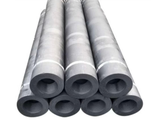
What are the types of heat-insulating refractory bricks
What are the types of heat-insulating refractory bricks? Insulated refractory bricks, also known as lightweight refractory bricks, are used as lining materials for industrial kilns to provide insulation and heat preservation. They are divided into various materials based on their properties, such as clay insulation bricks, high alumina insulation bricks, mullite insulation bricks, alumina hollow sphere insulation bricks, diatomaceous earth bricks, and floating bead bricks. Insulated refractory bricks made of different materials are used for kiln lining, which can increase the heat storage function of industrial kilns and reduce the loss of kiln heat. They play an important role in industrial kilns that require insulation and heat preservation.
1. Clay insulation brick
Clay insulation brick is a porous refractory brick made mainly from refractory clay as the main refractory material. It is generally yellow red in color and is mainly used as an insulation layer for industrial kilns with temperatures ranging from 1000-1350 ℃.
2. High alumina insulation brick
Blast furnace insulation bricks are mainly made of high alumina bauxite or kaolin as refractory materials, formed by special processes, and sintered at high temperatures. They can be used as lining materials for industrial kilns with temperatures ranging from 1000-1500 ℃.
3. Mullite insulation brick
Mullite insulating brick is a lightweight refractory brick made of mullite as the main refractory raw material, using foam addition method or other production processes, which forms mullite phase in the sintering process. It is mainly used for the insulation layer of industrial kilns with the service temperature of 1000-1350 ℃.
4. Aluminum oxide hollow sphere insulation brick
Aluminum oxide hollow sphere insulation brick is a lightweight refractory brick made from aluminum oxide hollow spheres as the main refractory material, sintered at 1800 ℃. It is mainly used as the lining of industrial kilns with temperatures ranging from 1650-1800 ℃.
5. Diatomaceous earth brick
Diatomaceous earth bricks are mainly made of porous diatomaceous earth as the refractory material, with a small amount of clay and combustible materials added to form a porous structure during the firing process. They are mainly used as insulation layers for industrial kilns with temperatures ranging from 1000-1200 ℃.
Application of thermal insulation refractory bricks:
1. The working layer of various industrial kilns, such as carbonization furnaces, cracking furnaces, tunnel kilns, industrial boilers, etc.
2. The insulation layer of industrial kilns, such as heating furnaces, hot air stoves, etc.
There are many types of insulated refractory bricks. When selecting insulated refractory bricks for industrial kilns, it is necessary to choose suitable ones based on the actual operating temperature inside the kiln, the usage conditions of the refractory bricks, and the service life.