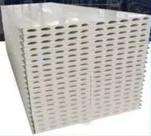
Refractory material is a solid material that can resist the effects of high temperature and is widely used in the metallurgical industry. Refractory materials are usually divided into: acidic refractories (quartz, silica bricks); semi-acid refractories (semi-silica bricks); neutral refractories (chrome bricks, clay bricks, high Aluminum bricks); basic refractory materials (magnesia bricks, chrome magnesia bricks, magnesia alumina bricks, dolomite bricks, magnesia, dolomite and magnesia refractory clay), etc. Alkaline refractories are currently widely used in smelting equipment due to their excellent characteristics such as high refractoriness, good thermal stability, and good slag resistance. In the converter and electric furnace steelmaking process, molten steel will mechanically scour the refractory lining of the furnace. At the same time, the constituent elements of the refractory industrial electric furnace are dissolved into the molten steel and chemically reacted with the molten steel. The mechanical scouring of molten steel on the furnace lining and the chemical reaction between the two: on the one hand, cause damage and erosion of the refractory materials of the furnace lining; on the other hand, it will affect the quality of molten steel and steel.
In the process of steel smelting, the interaction between the lining refractory material and the molten steel in the molten pool and the resulting impact on the molten steel and steel quality are mainly as follows:
Refractory falling off causes non-metallic inclusions in molten steel and steel
In the steelmaking process, after the furnace lining refractory bricks are corroded, the decarburized layer and reaction layer of the bricks undergo structural changes to cause relaxation. By the molten steel, slag, furnace gas, and the mechanical scouring of the molten iron and bulk materials and scrap steel, the refractory materials fall off and become involved in the steel solution, forming non-metallic inclusions. The performance of non-metallic inclusions in steel is very different from that of steel itself. From a mechanical point of view, the location of non-metallic inclusions is the stress concentration point of the steel, which has a great impact on the strength, stiffness and endurance limit of the steel. Therefore, non-metallic inclusions are one of the serious defects that affect the quality of steel.
The trolley furnace reacts between the constituent elements of the refractory material and the non-metallic elements in the molten steel to produce non-metallic inclusions.
Some elements that make up the refractory material are directly dissolved in the molten steel, increasing the oxygen, carbon and other non-metallic elements in the molten pool. Under certain conditions, non-metallic elements in molten steel react with each other to form non-metallic inclusions. The same reason will also adversely affect the quality of molten steel and steel.