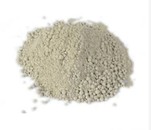
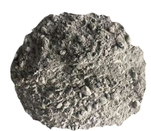
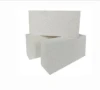
Mullite Insulation Brick, a high-alumina refractory material with mullite as its main crystal phase, is a highly favored thermal insulation material in the industrial sector due to its unique properties. Its alumina content generally ranges from 65% to 75%, with diverse mineral compositions. Bricks with lower alumina content contain a small amount of glass phase and cristobalite besides the main crystal phase of mullite, while products with higher alumina content include a little corundum. This special mineral composition endows it with a set of excellent performances.
In terms of performance characteristics, Mullite Insulation Brick boasts outstanding advantages. First of all, it features low thermal conductivity, delivering remarkable heat insulation performance, which can effectively block heat transfer and reduce heat loss. Meanwhile, its low heat capacity is also a notable merit. Owing to the low thermal conductivity, lightweight mullite insulation bricks store very little heat energy during operation. They achieve prominent energy-saving effects in industrial facilities with intermittent operation and help enterprises cut substantial energy costs.
This type of brick also has excellent fire resistance. It has low impurity content, especially very low levels of iron, alkali metal oxides, so it comes with a high refractoriness. Moreover, its high alumina content enables it to maintain stable and reliable performance even under reducing atmosphere. In addition, it has high hot compressive strength. It can withstand pressure under high-temperature conditions, be in direct contact with flame, and keep structural stability in high-temperature environments.
Mullite Insulation Brick has a wide range of applications. In the metallurgy industry, it is used for hot blast stove crowns, blast furnace shafts and hearths, providing reliable thermal insulation for high-temperature smelting processes. In ceramic manufacturing, it is adopted in ceramic firing kilns to well control the internal kiln temperature and guarantee the firing quality of ceramic products. In the petrochemical industry, it is applied to dead zone linings of oil cracking systems, linings of the quenching and residence sections of carbon black reaction furnaces to cope with high-temperature and complex working conditions. Besides, it plays a vital role in constructing insulation layers for other thermal equipment such as processing kilns, firing kilns, melting kilns, refining units and heating devices.
Contact me:Email:wp@cnjingganrefractory.com/sdwenping@163.com
TEL: 86-0533-4188518 / FAX: 86-0533-4188518
Rose:+86-13275332819(wechat/whatsapp number)