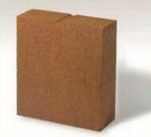
Refractory bricks are mainly used for building smelting furnaces, and can be used as high-temperature building materials and structural materials for building kilns and various thermal equipment. They can withstand various physical and chemical changes and mechanical effects at high temperatures. For example, refractory clay bricks, high alumina bricks, silica bricks, magnesia bricks, etc. The performance and lifespan of refractory bricks determine production efficiency, quality, and safety. So how to effectively protect refractory bricks during the kiln production process is a very important task.
This article answers the question of how to effectively protect refractory bricks from several aspects that affect their safety, which is a topic of concern to everyone
1. The influence of physical properties of refractory bricks
Slag resistance refers to the ability of refractory materials to resist chemical erosion. When forming the initial layer of kiln skin and when the material has high viscosity or generates local high temperatures that cause the kiln skin to peel off, slag resistance becomes very important.
2. The influence of combustion and fuel nozzles on refractory bricks
When using coal as fuel, the volatile matter and ash content of coal play a decisive role, directly affecting the shape of the flame. Coal powder with high volatile matter and low ash content can shorten the black flame and form low-temperature long flame calcination. It is generally beneficial to protect the kiln lining, but if the volatile matter is too high and ignites too quickly, the temperature of the kiln clinker can reach over 260 ℃, and the secondary air temperature can exceed 900 ℃. This can easily damage the nozzle, causing it to deform or burn out, resulting in gaps and disordered flame shapes, which can damage the kiln lining before it is replaced. If the volatile matter of coal is too low (less than 0%) and the ash content is too high (greater than 28%), a large amount of incomplete combustion of coal powder will settle in the material and release a large amount of heat, which will also damage the kiln skin.
3. The impact of fluctuations in raw material composition on refractory bricks
When the aluminum content is too high and the viscosity of the liquid phase is high, a large amount of kiln skin will collapse, which is difficult to control in operation and not conducive to protecting the kiln lining. In production practice, the aluminum content is generally controlled at 1.3-1.6; When using high saturation ratio, high silicon content, and low liquid phase ingredients, it is easy to produce viscous material erosion, wear and tear on the kiln skin, and damage the kiln lining severely. In production practice, when the silicon content is 2.5, the saturation ratio should not exceed 0.92, and when the silicon content is 2.8, the saturation ratio should not exceed 0.90.
Contact me:Email:wp@cnjingganrefractory.com/sdwenping@163.com
TEL: 86-0533-4188518 / FAX: 86-0533-4188518
Rose:+86-13275332819(wechat/whatsapp number)