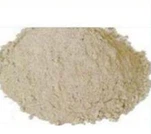
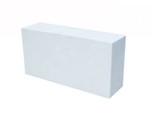
Castable prefabricated components, also known as refractory prefabricated bricks by customers, refer to prefabricated components made of refractory castable materials. These prefabricated components are prepared under certain process conditions, usually including mixing, vibration compaction, curing, and drying processes. After preparation, the prefabricated components have a certain shape, size, and mechanical properties, and can be directly used for the masonry of various industrial furnaces.
Advantages of Castable Prefabricated Parts:
Save construction time: Compared to on-site pouring, using prefabricated components can shorten the construction period.
Controllable quality: During the production process, strict control of raw materials, ratios, and process conditions can ensure the stable and reliable quality of prefabricated components.
Performance: Due to strict control over the production process of prefabricated components, they are mainly used in places with harsh construction conditions.
Castable prefabricated components are used in industrial furnaces and kilns in industries such as petrochemicals, metallurgy, and building materials.
The application of prefabricated castings in industrial furnaces and kilns is not limited to the furnace body structure, but also includes parts such as the furnace, furnace door, furnace bottom, and furnace top. Different types of industrial furnaces and usage environments also have different requirements for prefabricated components.
When selecting suitable casting material prefabricated components, it is necessary to consider:
Application environment: Prefabricated components need to be suitable for specific working environments, such as high temperature, high pressure, corrosive gases, etc.
Fire resistance: Prefabricated components must have good fire resistance, including slag resistance, thermal shock resistance, thermal expansion resistance, etc.
Density and thermal conductivity: Density and thermal conductivity directly affect the insulation performance of prefabricated components. Generally speaking, the lower the density, the smaller the thermal conductivity, and the better the insulation performance.
Mechanical properties: Prefabricated components must have sufficient compressive, flexural, and impact resistance to ensure that they will not be damaged during use.
Construction performance: Prefabricated components need to have good construction performance during the installation process, such as easy cutting, easy installation, etc.
Contact me:Email:wp@cnjingganrefractory.com/sdwenping@163.com
TEL: 86-0533-4188518 / FAX: 86-0533-4188518
Rose:+86-13275332819(wechat/whatsapp number)