Cup shaped ash tray is a key tool used in fire assay (also known as ash blowing method) for separating and purifying precious metals
Its core function is to utilize its porous and high-temperature resistant properties during the high-temperature heating process to absorb and remove low melting point impurities such as lead, leaving behind pure precious metals such as gold and silver
Main features and materials
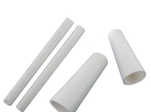
Physical form: A cup-shaped ash dish is usually a small cup-shaped or cylindrical container
This forms a difference in shape from the porous plate-like "plate-like ash dish"
Core material: Traditional cup-shaped ash dishes are made from bone ash (animal bones fired), while modern ones widely use magnesia (magnesium oxide as the main component) as the manufacturing material
Both of these materials have good high temperature resistance and porosity, which can meet the physical and chemical requirements of the ash
blowing process.
Working principle: In the ash blowing operation, a lead buckle containing gold and silver is placed in a preheated cup-shaped ash dish and heated in a high-temperature furnace (such as a muffle furnace)
Lead oxidizes to lead oxide at high temperatures and is absorbed by the porous structure of the ash dish
Precious metals such as gold and silver, due to their low oxidation rate and high melting point, ultimately remain in the form of granules in the ash dish, achieving separation and purification
Application and Standards
The cup-shaped ash dish is an important component of the classic fire assay method, which is widely recognized internationally for its accurate and reliable results
For example, the international standard ISO 11426:2014 "Determination of gold in jewelry alloys - Cup shaped (ash dish/ash blowing) method (fire analysis/fire assay method)" specifies the method of using cup shaped ash dishes for determination
This method is considered an authoritative destructive detection method for directly determining gold content
Difference from plate-shaped ash dishes
Cup shaped ash dishes are usually used for processing single or small amounts of samples. The "plate-shaped ash dish" mentioned in the search results is a type of plate tool with multiple holes, which can simultaneously place multiple samples (such as shot put) for batch ash blowing
1. Using a plate-shaped ash tray in conjunction with a feeder can make the operation faster and more accurate, and because the standard gold and the test sample are blown in the same ash tray, it helps to improve the consistency and comparability of the results
1. The two differ in shape, usage, and applicable scenarios, but the core material (magnesia) and separation principle are the same.