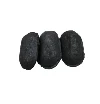
Mold fluxes are functional materials placed on the molten steel surface inside the mold in the continuous steel casting process. They serve for heat preservation, oxidation prevention and absorption of non-metallic inclusions. Their main base components are silicon dioxide, calcium oxide and aluminium oxide, together with additives such as fluorides and carbon materials. They carry out the following key functions in production:
1. Prevent secondary oxidation of molten steel, especially at the meniscus of molten steel. After mold fluxes are added onto the molten steel surface in the mold, they melt and form a liquid slag layer of certain thickness to cover the steel surface evenly. This liquid slag layer isolates molten steel from air and prevents secondary oxidation of molten steel.
2.Thermal insulation. When spread over high‑temperature molten steel, its multi‑layer structure cuts radiant heat loss and reduces the superheat of liquid steel. Better thermal insulation raises the temperature at the mold meniscus and limits the formation or overgrowth of slag rims. For high carbon steel casting, good thermal insulation helps slab lubrication. Insulating performance can be raised by increasing carbon content, changing carbon material types, adding exothermic elements or lowering bulk density.
3. Capacity to absorb inclusions. To avoid floating inclusions in molten steel being trapped into the solidified shell and causing surface or subsurface defects on cast slabs, the liquid slag melted from mold fluxes shall absorb and assimilate non-metallic inclusions floating upward from molten steel.
4. Uniform heat transfer. Metallurgical engineers confirm the slag film controls heat transfer from cast slabs to the mold wall. Without this material, the solidified shell touches the mold wall tightly at the upper part, bringing fast cooling. At the lower part, shell shrinkage creates air gaps, which lift thermal resistance and slow heat release. Heat transfer via air gaps is uneven. When liquid slag flows evenly between the mold wall and solidified shell, a consistent slag film forms. It reduces heat transfer speed at the upper section and speeds it up at the lower section. Heat distribution becomes uniform and slab quality improves.
5.Lubricate cast slabs. The slag film formed between the mold wall and solidified shell serves as lubricant. It lowers withdrawal resistance and prevents sticking between the solidified shell and mold wall.
Contact me:Email:wp@cnjingganrefractory.com/sdwenping@163.com
TEL: 86-0533-4188518 / FAX: 86-0533-4188518
Rose:+86-13275332819(wechat/whatsapp number)